
Rich Heritage of Lucknow and Naimisaranya , What does it mean to truly discover heritage? It’s not just about viewing old buildings or reading historical plaques—it’s about stepping into the soul of a civilization, understanding the stories etched into stone and preserved in traditions, and connecting with the essence of cultures that have shaped our present. The Lucknow and Naimisaranya tour package offers exactly this kind of profound heritage experience, taking you on a journey that spans centuries of architectural brilliance, cultural refinement, and spiritual wisdom.
Imagine walking through corridors where Nawabs once strolled, tasting dishes prepared using recipes perfected over generations, witnessing crafts that have been handed down through family lines for centuries, and standing at sites where ancient sages meditated thousands of years ago. This isn’t just tourism—it’s time travel made real through the preservation of heritage that refuses to fade into history books.
Uttar Pradesh, with its incredibly diverse heritage, serves as India’s living museum. Within this vast repository of culture, Lucknow and Naimisaranya stand out as complementary treasures—one representing medieval Indo-Islamic heritage at its finest, the other embodying ancient Hindu spiritual traditions. Together, they offer a comprehensive heritage experience that few tour packages can match.
Understanding Heritage Tourism in Uttar Pradesh
Heritage tourism has evolved from passive sightseeing to active engagement with history, culture, and traditions. Uttar Pradesh, home to some of India’s most significant UNESCO World Heritage Sites and countless other heritage properties, has positioned itself as a premier heritage tourism destination. But what makes this region particularly special?
The state’s heritage isn’t frozen in time—it’s living and breathing. Traditional crafts are still practiced, classical art forms continue to evolve, culinary traditions remain vibrant, and spiritual practices persist with unbroken continuity. This living heritage aspect transforms tourism from mere observation into immersive experience.
Lucknow represents urban heritage—the sophistication of court culture, the grandeur of Nawabi architecture, and the refinement of arts and cuisine that flourished under royal patronage. Naimisaranya represents spiritual heritage—the unbroken tradition of religious practices, the preservation of ancient wisdom, and the continuity of pilgrimage traditions that predate written history.
By combining these two destinations, the tour package offers both tangible heritage (monuments, artifacts, buildings) and intangible heritage (traditions, practices, knowledge systems)—providing a complete picture of how culture is preserved, transmitted, and kept alive across generations.
Lucknow: The Jewel of Awadh’s Heritage
The Golden Era of Nawabi Rule
To understand Lucknow’s heritage, we must first understand the Nawabs of Awadh—rulers who weren’t just administrators but passionate patrons of arts, architecture, and culture. From the mid-18th to mid-19th century, these Nawabs transformed Lucknow from a provincial town into one of North India’s most sophisticated cultural centers, rivaling Delhi and even cities in Persia.
The Nawabs created an atmosphere where artists, poets, musicians, architects, and craftsmen from across the world congregated, bringing their talents and traditions. Persian influences merged with Mughal aesthetics and indigenous Indian styles to create something entirely unique—the Awadhi culture that defines Lucknow even today.
This wasn’t accidental; it was deliberate cultural policy. Nawabs like Asaf-ud-Daula and Wajid Ali Shah invested enormous resources in creating architectural monuments, establishing music and dance schools, developing culinary traditions, and promoting literary activities. Their courts became centers of cultural innovation where new art forms emerged and existing ones reached perfection.
Understanding this context transforms your visit from seeing buildings to appreciating a comprehensive cultural vision that shaped every aspect of life—from how people dressed to how they spoke, from architectural styles to culinary preferences. The heritage you witness in Lucknow is the crystallization of this vision.
Architectural Heritage of Lucknow
Bara Imambara: An Engineering Marvel
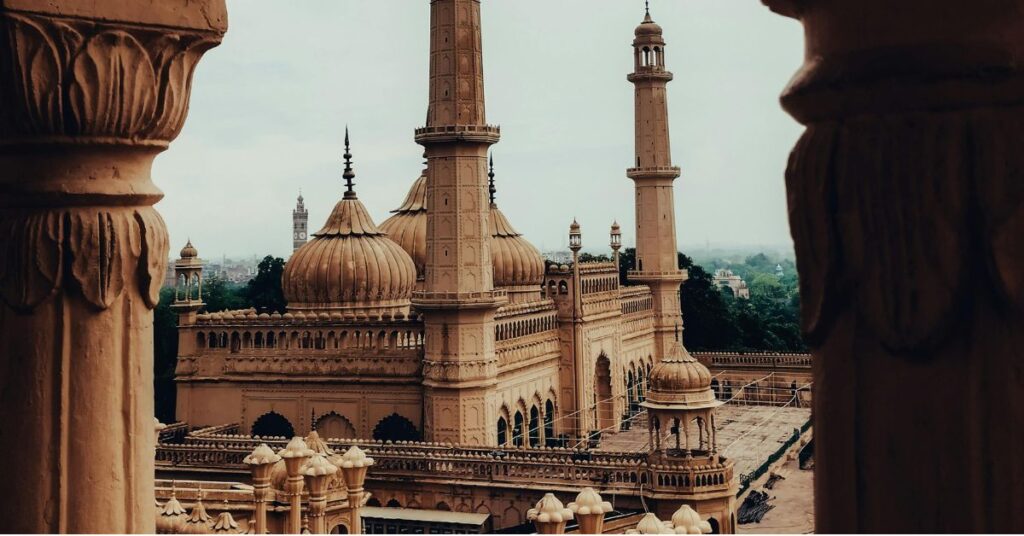
The Bara Imambara represents the pinnacle of Awadhi architecture and engineering genius. Built in 1784 by Nawab Asaf-ud-Daula during a devastating famine, this monument serves multiple purposes—religious (as an Imambara for Shia Muslims), social (providing employment to thousands), and architectural (pushing engineering boundaries).
The central hall—50 meters long, 16 meters wide, and 15 meters high—was constructed without any supporting beams or pillars. How is this possible? The interlocking brick arch construction technique creates a self-supporting structure where each brick holds others in place, distributing weight ingeniously. Modern architects still study this marvel, amazed at how 18th-century builders achieved what seems architecturally impossible.
The Bhul Bhulaiya (labyrinth) on the upper floors consists of over 1,000 passages designed as a defensive mechanism. The identical-looking corridors, false doors, and strategic staircases create a maze so complex that visitors genuinely get lost without guides who’ve memorized the paths through generations of practice.
What makes this truly heritage? It’s not just the age but the preservation of construction techniques, the continuity of caretaker families who’ve maintained it for centuries, and the stories that each element tells about the society that created it.
Rumi Darwaza: Gateway to Heritage
Standing 60 feet tall, the Rumi Darwaza epitomizes Lucknow’s cosmopolitan heritage. Its very name references Constantinople (Rum), and its design was inspired by the Sublime Porte in Istanbul. This gateway isn’t just Indo-Islamic fusion—it represents the global connections that Lucknow’s rulers maintained and their vision of creating architecture that matched anything in the Islamic world.
The Darwaza showcases intricate stucco work, ornamental battlements, and decorative elements that blend Persian, Turkish, and Mughal styles. Notice the attention to detail—even in areas not easily visible, the craftsmanship remains excellent. This reflects the Nawabi philosophy that quality should permeate everything, not just what’s immediately apparent.
The gateway has become Lucknow’s symbol, appearing on government logos and tourist materials. This modern usage shows how heritage landmarks become identity markers—physical structures that embody a city’s spirit and serve as anchors for collective memory.
The British Residency: Echoes of 1857
The British Residency offers a different kind of heritage—one of conflict, resistance, and historical turning points. This complex of buildings served as the refuge for British residents during the 1857 Siege of Lucknow, a crucial event in India’s struggle for independence. Today, preserved in its war-damaged state, it stands as a memorial to all who perished during those tumultuous times.
Walking through these ruins—walls still bearing cannonball marks, gravestones marking where people fell, preserved artifacts from the siege—brings history alive in visceral ways. This is dark heritage, reminding us that heritage isn’t always about glorious achievements but also about difficult chapters that shaped national consciousness.
The site’s museum houses fascinating artifacts, letters, photographs, and personal items from the siege period. These objects transform abstract historical events into human stories of courage, suffering, survival, and loss—making the past tangible and relatable.
Constantia House and La Martinière
These landmarks represent another layer of Lucknow’s heritage—the confluence of European and Indian influences. Built by Major General Claude Martin, a French adventurer who served in the East India Company, these structures showcase unique architectural styles that blend European Baroque with Indian elements.
La Martinière College, still functioning as one of India’s premier educational institutions, demonstrates living heritage—buildings from the past continuing to serve meaningful purposes in the present. The school maintains many traditions established two centuries ago, showing how institutional heritage creates continuity across generations.
Constantia House, with its underground passages, ornate interiors, and fascinating history, tells the story of individuals who bridged cultures. Claude Martin’s love for Lucknow, reflected in his architectural contributions and philanthropic legacy, shows how heritage isn’t just about dominant cultures but also about intercultural exchanges and individual contributions.
Cultural Heritage: Arts and Crafts
Lucknow’s heritage extends far beyond monuments into living traditions that continue to thrive. Chikankari embroidery, characterized by delicate white threadwork on fine fabrics, has been practiced here for centuries. Walking through the lanes of Chowk, you’ll find master artisans—often from families that have practiced this craft for generations—creating intricate patterns that can take weeks to complete.
This craft represents intangible heritage—skills transmitted orally and through apprenticeship, design vocabularies developed over generations, and aesthetic sensibilities that define regional identity. By purchasing authentic Chikankari, you don’t just buy a product; you support living heritage and help ensure its transmission to future generations.
Similarly, Lucknow’s zardozi (metal embroidery) work, pottery traditions, perfume-making techniques, and silver-smithing represent crafts that have survived because of continuous patronage and practice. Heritage tourism plays a crucial role here—visitor interest creates markets for traditional crafts, making them economically viable for contemporary artisans.
The heritage experience becomes complete when you visit workshops, watch artisans at work, understand the complexity of their techniques, and appreciate why these crafts deserve preservation and support.
Culinary Heritage: The Awadhi Kitchen
Food is perhaps the most accessible and enjoyable form of heritage preservation! Awadhi cuisine represents culinary tradition developed, refined, and perfected over centuries in royal kitchens and then preserved by families of professional cooks (rakabdars) who passed recipes down generations.
The dum pukht cooking method—slow-cooking in sealed vessels over low heat—isn’t just technique but philosophy. It reflects the Nawabi emphasis on patience, subtlety, and perfection. Kebabs so tender they melt on the tongue weren’t accidents but results of deliberate experimentation with spice combinations, meat preparation, and cooking methods.
Dishes like biryani, nihari, korma, qeema, various kebabs, and sweets like shahi tukda and malai makhan represent cultural heritage as tangible as any monument. When you taste authentic Awadhi cuisine, you’re literally consuming heritage—flavors that have been preserved with the same care as architectural monuments.
Many eateries in Lucknow have been serving the same dishes using the same recipes for over a century. Tunday Kababi (established 1905), Rahim’s Kulcha Nihari (since 1880s), and various other establishments represent institutional heritage—businesses that have maintained quality and tradition across generations despite changing tastes and economic pressures.
Literary and Musical Legacy
Lucknow’s heritage includes significant contributions to Urdu literature, poetry, and music. The city nurtured numerous poets whose works remain influential, established gharanas (schools) of Kathak dance that defined the art form’s evolution, and developed distinctive styles of Thumri and Ghazal singing that enriched Indian classical music.
The mushaira (poetry symposium) tradition, where poets gather to recite their works, continues in Lucknow. Attending one offers insights into literary heritage that remains vibrant and contemporary despite ancient roots. Similarly, if you’re fortunate to attend a Kathak performance or Ghazal evening during your visit, you witness living heritage—art forms that have evolved over centuries while maintaining core traditions.
This cultural heritage exists because of institutional structures (schools, academies), family traditions (where art forms are passed parent to child), and community support that values and preserves these practices. Heritage tourism contributes by creating audiences and appreciation for classical arts, helping them remain economically viable for contemporary practitioners.
Naimisaranya: Ancient Spiritual Heritage
The Puranic Significance
While Lucknow’s heritage is measured in centuries, Naimisaranya’s heritage stretches back millennia. Mentioned extensively in Puranas—ancient Hindu texts that codified mythology, cosmology, and spiritual practices—this site holds a place in India’s collective religious consciousness that few locations can match.
The name itself carries significance. According to tradition, when Lord Brahma’s chakra (divine wheel) circled earth seeking the perfect meditation site, it stopped here in a ‘nimisha’ (blink of an eye)—hence ‘Naimisha Aranya’ (forest where the wheel stopped). This mythological origin story establishes the site’s spiritual credentials in Hindu tradition.
More concretely, Naimisaranya is where Ved Vyasa—the compiler of Vedas, author of Mahabharata, and one of Hinduism’s most revered figures—narrated the Puranas to assembled sages. This makes it ground zero for transmission of Hindu mythology and philosophy. The stories of gods and demons, creation and dissolution, dharma and karma that shaped Hindu civilization for thousands of years were first told here.
Understanding this heritage context transforms your visit from seeing a pilgrimage site to appreciating an epicenter of cultural transmission—a place where knowledge systems were organized, preserved, and transmitted across generations in oral traditions that predated writing.
Heritage Sites in Naimisaranya
Chakra Tirtha: The Sacred Circle
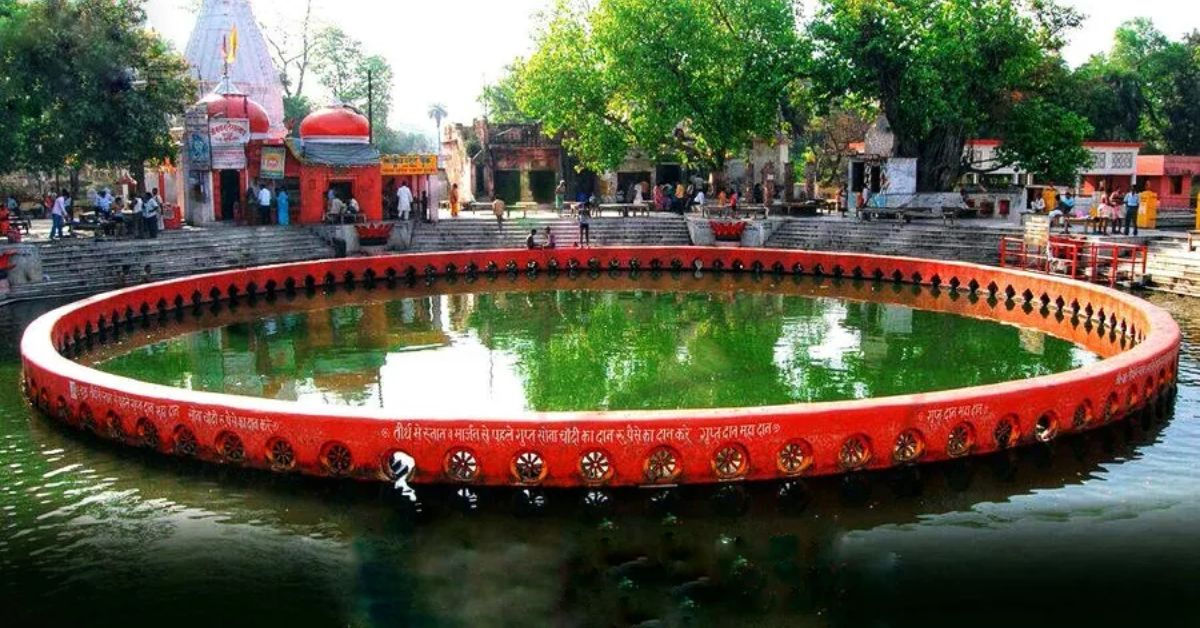
Chakra Tirtha—the circular pond at Naimisaranya’s heart—represents physical heritage embodying spiritual significance. Its circular shape supposedly represents the impression of Brahma’s chakra, creating a permanent reminder of divine intervention. But beyond mythology, this tirtha (holy water body) has served as a pilgrimage destination for countless centuries, making it significant from heritage preservation perspectives.
The ghats (steps) surrounding the pond, though rebuilt and renovated over time, occupy the same locations where pilgrims have performed rituals for millennia. This spatial continuity—conducting practices at the exact same locations across vast time periods—represents heritage preservation at its most fundamental level.
The rituals performed here haven’t changed substantially in thousands of years. Watching pilgrims take holy dips, perform sandhyavandanam (twilight prayers), and conduct shraddha (ancestor worship) ceremonies offers glimpses into living traditions that connect contemporary practitioners with ancient ancestors through unbroken ritual continuity.
Vyas Gaddi: Seat of Ancient Wisdom
Vyas Gaddi marks the spot where Ved Vyasa supposedly sat while narrating the Puranas. Whether historically accurate or not, the significance lies in how this site has been venerated continuously, maintained by successive generations, and integrated into pilgrimage circuits that have operated for centuries.
The small platform, shaded by ancient trees, has an atmosphere of contemplative peace. Pilgrims offer prayers here, and many scholars visit seeking inspiration for their own intellectual pursuits. This represents heritage not just as preservation of physical structures but as maintenance of cultural memory—keeping alive the connection between contemporary seekers and ancient wisdom traditions.
The surrounding area contains several smaller shrines and spots associated with various sages mentioned in Puranas. Each represents a node in a network of sacred geography—a mental map that has guided pilgrims for millennia and continues to structure religious journeys today.
Ancient Temples and Their Stories
Naimisaranya houses numerous temples, each with distinct histories and significance. The Lalita Devi Temple, dedicated to Goddess Shakti, represents the Shakta tradition of goddess worship. The Hanuman Gaddi showcases Bhakti traditions focusing on devotional worship. Various other shrines honor different deities, reflecting Hinduism’s pluralistic nature.
What makes these heritage sites isn’t just their age but their continuous use. These aren’t museum pieces preserved behind glass but living temples where worship continues daily, where festivals are celebrated, and where communities gather. This living usage keeps heritage alive in ways that static preservation cannot match.
The architectural styles vary—some temples show medieval North Indian shikhara (tower) styles, others reflect later renovations and rebuildings. This architectural palimpsest—layers of different periods visible in the same structure—tells stories of how communities maintained sacred spaces across centuries, rebuilding after disasters, renovating as resources allowed, but never abandoning the sacred geography.
Living Traditions and Rituals
What distinguishes Naimisaranya from merely historical sites is the vibrant continuation of ancient practices. Daily worship follows routines established centuries ago. Festivals attract thousands who participate in rituals their ancestors performed. Scholars and spiritual seekers come to study texts and practice meditation in locations sanctified by millennia of spiritual practice.
The presence of ashrams maintains the tradition of providing spiritual education and accommodation to seekers. These institutions, some centuries old, represent organizational heritage—structures that have facilitated spiritual practice and learning across generations.
Many sadhus (renunciates) reside permanently in Naimisaranya, dedicating their lives to spiritual practice. Their presence connects contemporary times to ancient traditions of renunciation and spiritual seeking that have characterized Hindu culture since Vedic times. Conversations with these practitioners offer insights into living philosophical traditions that remain vibrant despite modernity.
Attending ceremonies like aarti (worship with lights), witnessing elaborate pujas during festivals, or simply observing daily rituals provides windows into intangible heritage—practices, beliefs, and traditions that cannot be preserved in museums but must be experienced in their living contexts.
The Perfect Heritage Tour Itinerary
Planning Your Heritage Journey
Effective heritage tourism requires more than just visiting sites—it demands engagement, context, and time for reflection. The ideal Lucknow-Naimisaranya heritage tour spans 4-5 days, allowing adequate time at each location without rushing. This duration permits not just seeing heritage sites but understanding and appreciating them.
Research before arrival enhances experiences significantly. Reading about Nawabi history, understanding architectural styles, learning about spiritual traditions, and familiarizing yourself with key figures (like Asaf-ud-Daula, Wajid Ali Shah, Ved Vyasa) provides context that transforms buildings and sites from interesting structures into meaningful narratives.
Consider hiring knowledgeable guides—not just tour operators but specialists who understand architectural history, cultural traditions, and local stories. Many heritage walks in Lucknow employ historians and cultural experts who provide insights far beyond standard tourist information. Similarly, in Naimisaranya, engaging with knowledgeable priests or ashram scholars enriches your understanding of spiritual heritage.
Heritage tourism also means timing visits strategically. Early morning visits to monuments provide better light for photography and fewer crowds for contemplation. Attending evening aartis at temples captures spiritual atmosphere at its peak. Visiting markets when artisans are working offers authentic cultural experiences.
Day-Wise Exploration Guide
Day 1: Introduction to Lucknow’s Nawabi Heritage Begin at Bara Imambara early morning when light beautifully illuminates the structure. Spend considerable time exploring not just the main hall but the Bhul Bhulaiya, Asfi Mosque, and Baoli (stepwell). Engage with guides who can explain architectural techniques and historical context.
Proceed to Rumi Darwaza for photographs and architectural appreciation. Nearby Chota Imambara provides contrast—while Bara represents engineering genius, Chota showcases decorative arts. Lunch at a traditional Awadhi restaurant isn’t just eating but cultural immersion.
Afternoon visit to Husainabad Clock Tower and surrounding area provides insights into late Nawabi period. Evening heritage walk through Hazratganj and old Lucknow neighborhoods lets you witness how heritage buildings are integrated into contemporary urban life. End with dinner at another heritage eatery, experiencing different aspects of culinary heritage.
Day 2: Deeper Heritage Immersion in Lucknow Start with the British Residency, allowing time to absorb the sobering history and visit the museum thoroughly. The stories here provide necessary balance—heritage includes painful histories, not just glorious achievements.
Visit Constantia House and La Martinière to understand the European heritage layer. Lunch could be a dastarkhwan experience—multi-course Awadhi meal served traditionally—representing culinary heritage at its finest.
Afternoon workshop visits in Chowk area let you witness Chikankari embroidery, zardozi work, or other traditional crafts being practiced. Engage with artisans, understand their techniques, and consider purchasing authentic pieces to support living heritage.
If available, attend an evening cultural program—Kathak performance, Ghazal concert, or mushaira—experiencing Lucknow’s intangible heritage. This day balances tangible heritage (buildings, crafts) with intangible heritage (performances, traditions).
Day 3: Journey to Spiritual Heritage Travel to Naimisaranya, using the journey to transition mentally from urban cultural heritage to rural spiritual heritage. The changing landscape itself tells heritage stories—how regions maintain distinct identities, agricultural practices, and rural traditions.
Upon arrival, visit Chakra Tirtha in afternoon when pilgrimage activities are visible. Observe rituals being performed, understanding their significance through observation and respectful inquiry. Many pilgrims are happy to explain their practices if you show genuine interest.
Evening exploration of surrounding temples and shrines, each with unique histories. Stay in simple accommodations—perhaps an ashram dharamshala—to experience pilgrimage heritage authentically. Simple vegetarian dinner represents sattvic culinary traditions.
Day 4: Deep Dive into Naimisaranya’s Heritage Early morning visit to Hanuman Gaddi for sunrise and morning aarti captures spiritual atmosphere at its most intense. The morning hours at pilgrimage sites have special quality—fresh air, serious practitioners, minimal commercialism.
Visit Vyas Gaddi and other significant spots associated with Puranic narratives. Engage with resident sadhus or ashram scholars who can provide deeper insights into spiritual philosophies and traditions. Many are remarkably learned and generous with their knowledge if approached respectfully.
Participate in or observe midday rituals. Simple ashram lunch continues your immersion in pilgrimage lifestyle. Afternoon can include meditation, reading spiritual texts, or contemplative walks—using heritage sites as intended rather than just photographing them.
Begin return journey to Lucknow, carrying spiritual insights that balance the cultural richness absorbed earlier.
Day 5: Final Reflections and Departures If time permits before departure, revisit favorite Lucknow locations or explore areas missed earlier. Final shopping for heritage crafts and culinary items (packaged Awadhi spices, sweets) lets you carry tangible memories home.
Reflection time is important in heritage tourism—processing experiences, organizing thoughts, and understanding how different heritage sites connect and complement each other in creating comprehensive cultural understanding.
Heritage Walks and Guided Tours
Specialized heritage walks offer depth that independent exploration cannot match. Several organizations in Lucknow conduct themed walks—architectural heritage tours, culinary heritage walks, textile and craft tours, and even literary heritage walks tracing locations associated with famous poets and writers.
These guided experiences provide expert commentary, access to locations not easily accessible independently, and interpretive frameworks that help you understand what you’re seeing. The best guides don’t just recite facts but tell stories, connecting historical events to physical spaces in ways that bring heritage alive.
In Naimisaranya, engaging knowledgeable priests or ashram-affiliated guides provides access to lesser-known sites and deeper understanding of spiritual traditions. These guides can explain symbolic meanings, ritual purposes, and philosophical concepts that might otherwise remain opaque to outsiders.
Photography walks specifically for heritage documentation teach you to capture not just pretty pictures but meaningful images that tell heritage stories—architectural details, artisan techniques, ritual practices, and cultural moments that document living heritage.
Experiencing Living Heritage
Traditional Crafts and Artisans
Heritage isn’t just about what was created in the past but what continues to be created using traditional knowledge and techniques. Lucknow’s artisan quarters remain active centers where traditional crafts thrive. Visiting these areas offers opportunities to witness heritage creation in real-time.
Watch Chikankari embroiderers creating intricate patterns—the skill required becomes apparent when you see the precision needed. Talk to artisans about how they learned their craft, how designs are decided, and what challenges they face maintaining traditional techniques in modern markets.
Many artisan families have practiced their crafts for generations, representing lineage-based knowledge transmission that characterizes much of India’s intangible heritage. Supporting these artisans through purchases or patronage helps ensure these skills survive for future generations.
Some organizations conduct craft workshops where visitors can try traditional techniques under artisan guidance. These hands-on experiences create deeper appreciation for the skill involved and transform passive observers into engaged participants in heritage preservation.
Classical Performances and Cultural Programs
Lucknow’s cultural organizations, heritage hotels, and government institutions occasionally organize classical performances showcasing the city’s musical and dance heritage. Kathak performances by practitioners trained in Lucknow Gharana offer glimpses into dance traditions refined over centuries.
Ghazal evenings or mushaira sessions, where poets recite their works, represent literary heritage in its living form. The elaborate etiquette, specialized vocabulary, and audience participation patterns in these events reflect cultural traditions maintained through practice rather than preservation.
These aren’t museum recreations but living art forms continuing to evolve while maintaining core traditions. Attending them makes you part of the audience that sustains these practices, contributing to their continued vitality through appreciation and patronage.
Many heritage hotels organize cultural programs for guests—musical evenings, traditional dance performances, or craft demonstrations. While somewhat curated for tourist consumption, these still provide authentic experiences and support artists and artisans practicing traditional forms.
Festival Celebrations and Special Events
Timing your visit to coincide with festivals offers extraordinary heritage experiences. During Diwali, Chota Imambara illuminated with thousands of lights transforms into a spectacle that has enchanted viewers for over a century. Muharram processions in Lucknow follow routes and rituals established generations ago.
In Naimisaranya, specific festival periods attract massive gatherings of pilgrims. Witnessing these celebrations provides insights into how heritage sites function as living cultural centers, not just historical monuments. The energy, devotion, and community participation during festivals show heritage’s continuing relevance to contemporary communities.
However, festival periods also mean crowds, higher prices, and practical challenges. Balance your desire for special experiences against comfort and accessibility considerations. Sometimes visiting just before or after major festivals provides glimpses of preparations or aftermath while avoiding peak crowds.
Preservation and Conservation Efforts
Understanding heritage preservation efforts adds another dimension to your experience. Both Lucknow and Naimisaranya face conservation challenges—environmental factors, urban development pressures, insufficient funding, and the tension between preservation and adaptive reuse.
Organizations like the Archaeological Survey of India, state cultural departments, and various NGOs work on conserving heritage structures. Some monuments you visit may show active conservation work—scaffolding, restoration projects, documentation efforts. Rather than viewing these as inconveniences, appreciate them as necessary processes keeping heritage accessible.
In Lucknow, several heritage structures have been adaptively reused—converted to museums, cultural centers, hotels, or restaurants. This represents practical preservation—finding contemporary uses that justify maintenance costs while respecting historical character. Patronizing heritage hotels or restaurants in conserved buildings directly supports preservation through economic viability.
Naimisaranya’s preservation challenges differ—maintaining ancient traditions while accommodating modern pilgrims, preserving natural environments around spiritual sites, and balancing religious use with conservation needs. Responsible tourism here means respecting these challenges and contributing positively through appropriate behavior and support.
Many heritage sites struggle with funding. Entrance fees, donations, and purchases at site museums directly support conservation. Consider these expenses not as costs but as contributions to preservation efforts that keep heritage accessible for future generations.
Photography and Documentation Tips
Documenting heritage requires different approaches than standard travel photography. You’re not just capturing pretty images but creating visual records of cultural significance. Consider what aspects of heritage you’re documenting—architectural details, craft processes, ritual practices, or cultural contexts.
For architectural photography, capture both overall structures and significant details—the intricate stucco work on Rumi Darwaza, the engineering of Bara Imambara’s arches, the decorative elements in Chota Imambara. These details tell stories about aesthetic values, technical skills, and cultural priorities of builders.
Photographing artisans requires sensitivity and permission. Always ask before photographing people at work. Consider compensatory purchases—buying items from artisans you photograph supports them economically while thanking them for sharing their work.
In Naimisaranya, photography rules are more complex. Some temple sanctums prohibit photography entirely. Even where permitted, consider whether photographing ritual activities is appropriate. When in doubt, observe rather than photograph—some heritage experiences are better absorbed through presence than captured through lenses.
Document not just monuments but contexts—how heritage structures fit into contemporary urban landscapes, how artisans’ workshops blend into residential areas, how pilgrimage sites integrate with natural environments. These contextual images tell fuller heritage stories than isolated monument photographs.
Consider creating thematic photo essays—traditional crafts of Lucknow, architectural details of Nawabi monuments, ritual life in Naimisaranya. Organized documentation creates more meaningful records than random snapshots.
Practical Information for Heritage Travelers
Best Guides and Tour Services
Quality guidance transforms heritage tourism from seeing sites to understanding them. Several organizations in Lucknow specialize in heritage tours—UP Tourism, private heritage walk companies, and independent professional guides certified by tourism departments.
Look for guides with historical or cultural expertise rather than just language skills. The best heritage guides are often academics, historians, or long-time heritage enthusiasts who provide scholarly insights alongside practical information.
In Naimisaranya, temple priests or ashram-affiliated guides understand spiritual heritage deeply. While they may lack formal tourism training, their knowledge of traditions, texts, and ritual meanings provides authentic insights unavailable from conventional tour guides.
Many heritage hotels offer their own guided tours focusing on Lucknow’s architectural and cultural heritage. These are often excellent because hotels have invested in training quality guides who enhance guest experiences.
Online platforms now offer virtual heritage consultations where experts provide customized information before your visit, helping you plan focused heritage experiences matching your specific interests—whether architectural history, culinary traditions, textile arts, or spiritual practices.
Heritage Hotels and Accommodations
Staying in heritage hotels adds another layer to your heritage experience. Several converted havelis (mansions) and palaces in Lucknow now operate as hotels, offering opportunities to experience Nawabi hospitality in authentic settings. These properties often maintain historical architectural features while providing modern amenities.
Heritage hotels aren’t just accommodations but living museums. Their restored interiors showcase traditional decorative arts, furniture styles, and architectural features. Staff often know building histories and can share fascinating stories about previous residents and historical events witnessed by these structures.
Pricing varies widely—some heritage hotels are luxury properties charging premium rates, while others offer mid-range options. Even staying one night in a heritage property can significantly enhance your overall heritage experience, providing immersion that standard hotels cannot match.
In Naimisaranya, accommodation options are simpler. Staying at ashram dharamshalas offers authentic pilgrimage experiences—basic but clean rooms, simple vegetarian meals, and proximity to spiritual activities. This simplicity itself represents heritage—the pilgrim accommodation tradition that has served travelers for centuries.
Transportation and Accessibility
Lucknow’s heritage sites are reasonably accessible. Many major monuments cluster in old city areas, making them possible to cover on foot or with short taxi rides. The metro system, though limited, connects some heritage areas. Auto-rickshaws and app-based cabs provide convenient point-to-point transportation.
However, old city areas have narrow lanes where vehicles cannot enter. Heritage walks through these areas require decent walking ability and comfortable shoes. Some monuments involve climbing stairs—Bara Imambara’s Bhul Bhulaiya requires navigating multiple levels, and Hanuman Gaddi in Naimisaranya sits atop a hill.
For Naimisaranya, hiring a private vehicle provides flexibility and comfort for the 90-kilometer journey from Lucknow. Public buses are available but require additional local transportation upon reaching Sitapur, making them less convenient for heritage tourists with limited time.
Accessibility for differently-abled visitors varies. Major monuments like Bara Imambara have some wheelchair-accessible areas, though the Bhul Bhulaiya is not accessible. Smaller heritage sites often lack accommodation for mobility challenges. Check specific accessibility requirements with sites beforehand if this concerns your group.
Responsible Heritage Tourism
Heritage tourism carries responsibilities beyond those of standard tourism. You’re visiting sites with cultural, historical, or spiritual significance to communities—your behavior should reflect respect for these values.
Respect sacred spaces: In Naimisaranya and religious sites in Lucknow, follow dress codes, remove footwear where required, avoid loud conversations, and seek permission before photographing. Remember you’re guests in spaces that hold deep meaning for communities.
Support authentic heritage: Purchase directly from artisans rather than middlemen. Eat at establishments practicing traditional cooking rather than just claiming heritage. This economic support helps maintain living heritage by making traditional practices viable.
Minimize negative impacts: Heritage sites face pressures from tourism—wear and tear, pollution, disturbance to local communities. Be mindful of your footprint. Don’t touch delicate architectural elements, dispose of waste properly, and avoid behaviors that disturb local residents.
Educate yourself and others: Share accurate information about heritage sites. Combat misinformation, respect local narratives, and acknowledge complexities rather than simplifying heritage into convenient stories. Your social media posts and recommendations influence how others perceive and visit these sites.
Contribute to preservation: Entrance fees, museum purchases, and donations support conservation. Consider additional contributions to organizations working on heritage preservation. Your financial support, however modest, helps ensure these sites survive for future generations.
Engage meaningfully: Heritage tourism isn’t just checking sites off lists. Spend time understanding contexts, engaging with local knowledge holders, and reflecting on what heritage means. Quality engagement matters more than quantity of sites visited.
Conclusion: Your Heritage Awaits
The Lucknow and Naimisaranya tour package offers more than a vacation—it provides a journey through layers of human achievement, cultural refinement, and spiritual wisdom accumulated over centuries. From the architectural brilliance of Nawabi monuments to the ancient traditions of sacred Naimisaranya, from the sophisticated pleasures of Awadhi cuisine to the simple profundity of pilgrimage rituals, this heritage tour engages all aspects of human experience.
Heritage connects us to our past, anchors our present, and guides our future. Walking through these heritage sites, you’re not just a tourist but a link in the chain of cultural transmission—receiving heritage from the past and, through your appreciation and support, helping pass it to future generations.
The monuments you’ll photograph, the crafts you’ll witness, the flavors you’ll taste, the rituals you’ll observe—all represent humanity’s best efforts to create meaning, beauty, and understanding. They remind us that we’re part of something larger than our individual lives, connected to countless ancestors who built, created, preserved, and transmitted this heritage with hope that future generations would value and protect it.
Your heritage journey awaits. Come not just to see but to understand, not just to photograph but to appreciate, not just to consume but to support. Come ready to be transformed by encounters with heritage that continues to live, breathe, and evolve while maintaining connections to traditions stretching back centuries and millennia.
Lucknow and Naimisaranya don’t just preserve the past—they demonstrate how heritage enriches present life and provides foundations for future flourishing. This tour package isn’t about looking backward with nostalgia but about engaging with living traditions that remain vibrant, relevant, and capable of inspiring contemporary and future generations.
FAQs
1. What makes Lucknow and Naimisaranya significant from a heritage perspective?
Lucknow represents the pinnacle of Indo-Islamic cultural achievement during the Nawabi period, showcasing architectural innovation, culinary excellence, and artistic refinement that defined an entire civilization. Naimisaranya holds immense significance as one of Hinduism’s most ancient pilgrimage sites, mentioned extensively in Puranas and associated with fundamental moments in spiritual knowledge transmission. Together, they represent complementary heritage types—medieval urban sophistication and ancient spiritual traditions—providing comprehensive understanding of Uttar Pradesh’s cultural richness.
2. How can I contribute to heritage preservation during my visit?
Contribute through respectful behavior at heritage sites, purchasing authentic crafts directly from artisans, patronizing establishments practicing traditional techniques, supporting conservation efforts through donations, and spreading accurate information about heritage significance. Economic support is crucial—when you pay entrance fees, stay in heritage hotels, eat at traditional restaurants, or buy artisan crafts, you make heritage economically viable. Also, report any damage or threats to heritage you observe to appropriate authorities, and practice responsible photography that doesn’t harm structures or disturb communities.
3. Are there specific etiquette rules for visiting Naimisaranya’s sacred sites?
Yes, several important rules apply. Dress modestly—avoid shorts, sleeveless tops, or revealing clothing. Remove footwear before entering temple premises. Seek permission before photographing, especially religious ceremonies or priests. Avoid touching sacred objects unless specifically invited to do so. Maintain quiet, respectful demeanor during rituals. If participating in ceremonies, follow the priest’s guidance carefully. Make modest donations when receiving blessings or prasad. Avoid eating meat or consuming alcohol near sacred areas. These etiquette rules show respect for spiritual heritage and the communities maintaining it.
4. What differentiates heritage tourism from regular tourism?
Heritage tourism emphasizes understanding cultural, historical, or spiritual significance rather than just visiting sites. It involves engaging with contexts, learning about preservation efforts, supporting traditional practices, and approaching destinations with respect for their significance to communities. Heritage tourists spend more time at fewer sites, prioritize quality guides and authentic experiences over quantity of attractions, support local artisans and traditional establishments, and view their tourism expenditure partly as contribution to preservation efforts. It’s tourism motivated by cultural learning and heritage appreciation rather than mere sightseeing or entertainment.
5. Can children and families enjoy heritage tours, or are they too specialized?
Heritage tours can be excellent family experiences when approached appropriately. Children often find heritage fascinating when presented through stories rather than dry facts—the mystery of Bhul Bhulaiya, legends of Naimisaranya, stories of Nawabs, and craft demonstrations engage young minds effectively. Many heritage sites offer interactive elements that appeal to children. However, adjust expectations—don’t over-schedule, include breaks and non-heritage activities, use child-friendly guides who can make history entertaining, and let children’s natural curiosity guide some exploration. Heritage tourism teaches children about cultural roots, historical continuity, and the importance of preservation, providing educational value beyond typical vacations.



Comments are closed.